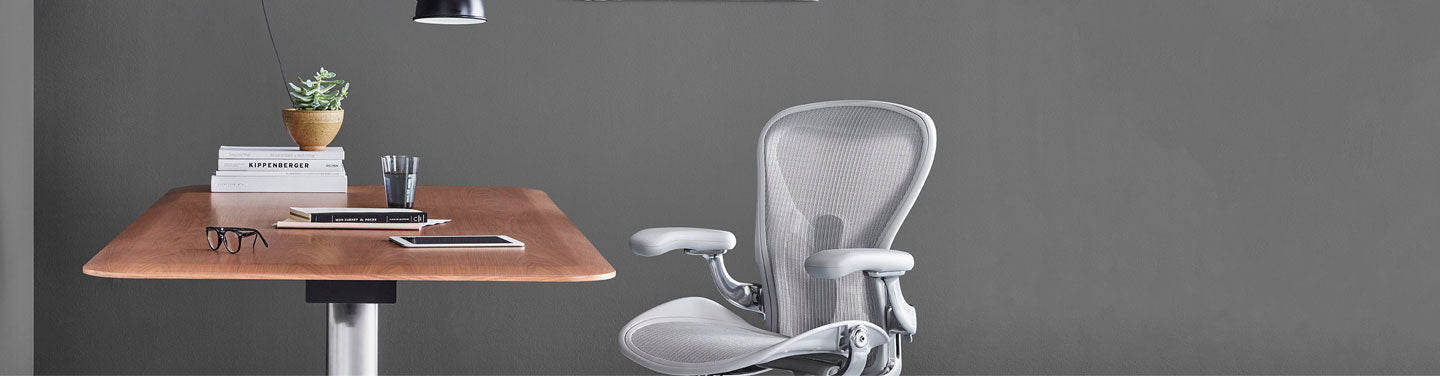
Furnishing Classrooms for Focus and Flexibility
by Wade Larkin on

Furnishing Classrooms for Focus and Flexibility
The bell rings. Students shuffle into the room, some head straight for their favourite spot, others linger near friends and a few gravitate to the back, away from the main bustle. The teacher gives instructions, but half the class is still rearranging chairs, dragging desks into clusters, or trying to find a quiet corner to concentrate.
This everyday scene reveals something important: classroom furniture sets the tone for how smoothly lessons begin, how comfortably students work and how easily teachers can adapt on the fly. In the best learning environments, furniture isn’t just “placed” in a room, it’s chosen and arranged with purpose, anticipating the shifts between independent study, group projects and whole-class discussions.
Whether you’re designing a brand-new facility or refreshing existing spaces, selecting the right furniture involves considering layout, durability, acoustic control and future adaptability. This isn’t just about aesthetics; it’s about creating a physical environment that actively supports teaching goals.
Designing for Layout and Flow
A well-thought-out layout has the power to transform a classroom from a static space into a dynamic learning environment. Good furniture choices allow educators to quickly shift from lecture-style teaching to collaborative group work or quiet independent study.
Zoning the classroom can help. This involves creating defined areas for different activities, such as reading corners, project tables and discussion hubs, without sacrificing flexibility. Modular seating systems are particularly valuable here. The Circulus Sofa by Offecct, for example, offers countless configurations and can be adapted for high- or low-back arrangements, making it perfect for breakout zones or informal meeting areas. With its clean lines and recycled materials, it’s as sustainable as it is versatile.
 Durability That Pays Off Over Time
Educational furniture faces one of the most demanding environments, daily use by students who, let’s be honest, aren’t always gentle with their surroundings. This makes durability a top priority.
Selecting high-quality, well-constructed furniture may require a higher upfront investment, but it pays off in reduced replacement costs and less downtime for repairs. Materials matter here: strong frames, impact-resistant surfaces and easy-to-clean upholstery all help furniture withstand years of use.
The Alfi Armchair by Emeco demonstrates this perfectly. Made from a blend of recycled polypropylene and wood fibre, it’s designed to last a lifetime while offering a warm, natural feel. Paired with a solid ash wood base from sustainable sources, it’s equally at home in a library, staff room or flexible learning space.
For informal seating, ottomans and stools are a smart choice. The Ned Stool by Sebel blends smart design with everyday practicality, ideal for dynamic learning and collaborative spaces. Made from durable, UV-stabilised polypropylene with up to 92.5% recycled content, it’s lightweight, stackable (up to five high) and easy to move thanks to its grab handle and footrail cut-out.
Tip: In high-traffic areas, opt for furniture with replaceable components or upholstery, this extends the life of the piece without requiring a full replacement.
Meeting Acoustic Needs in Learning Spaces
While layout and durability are often front of mind, acoustic performance is just as important in education settings. Noise can be one of the biggest barriers to concentration, especially in open-plan classrooms or multi-use halls.
Hard surfaces reflect sound, creating echoes and amplifying background noise. The solution? Integrating materials and furnishings that absorb sound and soften the overall atmosphere. Acoustic wall panels, such as Groove by Autex, combine striking visual texture with functional sound control. With customisable patterns and colours, they can be tailored to suit the aesthetic of any learning space while reducing reverberation and improving clarity.
Strategically placing these panels alongside soft furnishings, like ottomans and upholstered chairs, can create calmer, more focused environments, especially in areas where multiple groups are working at once.
Future-Proofing Educational Spaces
A classroom fitted out today should still be relevant and functional, years from now. That means thinking beyond current needs and anticipating how spaces might be used in the future. The most resilient learning environments are designed like toolkits: everything in them can be rearranged, repurposed or refreshed without starting from scratch.
Lightweight, stackable and modular pieces make it easy to switch between a STEM workshop one day and a presentation space the next. Seating such as the Broom Chair by Emeco offers both style and long-term durability. Crafted in the USA from 90% recycled polypropylene and reclaimed wood fibre, it’s a sustainable choice that can adapt to a variety of classroom layouts over time.
Sustainability is part of that long-term vision. Choosing furniture built from recycled or renewable materials ensures you’re not only reducing environmental impact but also investing in designs that are intended to last, both in style and performance.
Tip: Look for products with third-party certifications (like BIFMA or environmental ratings) to ensure they meet both performance and sustainability standards.
Additional Tips for Schools Choosing Furniture
To make the most of your investment, here are some lesser-considered but highly valuable tips when selecting furniture for education spaces:
- Involve the end users – Get feedback from teachers and even students before making final selections. They often notice comfort or functionality issues that might not be obvious at the planning stage.
- Blend storage into seating – Consider benches, ottomans or tables with built-in storage to reduce clutter and keep learning materials close at hand.
- Choose neutral bases with pops of colour – A neutral furniture foundation allows you to update the look over time with colourful cushions or panels, avoiding full replacements.
- Plan for inclusivity – Ensure furniture caters to a range of body types and accessibility needs, from adjustable-height desks to arm-free chairs for easier mobility.
- Think multi-purpose – Select items that can serve more than one function, such as a table that doubles as a whiteboard surface or panels that divide space while improving acoustics.
Partner with NPS Commercial Furniture
At NPS Commercial Furniture, we help schools across Queensland, from Brisbane and the Gold Coast to Townsville, Cairns, Mackay, Rockhampton, Mount Isa and the Sunshine Coast, create learning spaces that inspire focus, collaboration and adaptability. Explore our range of durable, flexible and sustainable classroom furniture or speak with our team to start planning your next fit-out.