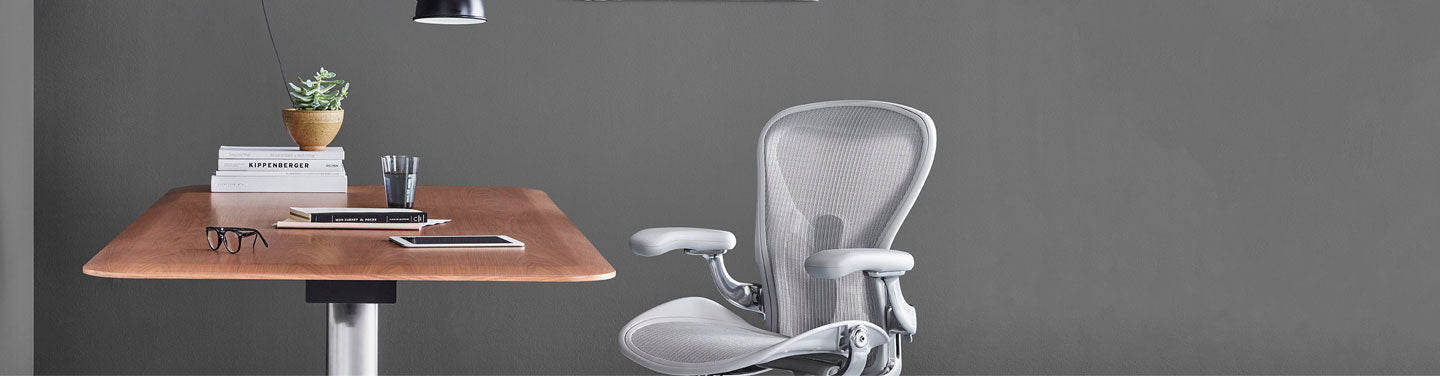
Ultimate Guide to Ergonomic Office Furniture
by Wade Larkin on

The Ultimate Guide to Ergonomic Office Furniture for Productivity
Employee productivity is influenced by many factors, but one of the most overlooked is workplace furniture. Poorly designed workstations can contribute to discomfort, fatigue and reduced concentration, while ergonomic office furniture helps employees work comfortably and efficiently throughout the day.
As businesses place greater emphasis on employee wellbeing and performance, ergonomic furniture has become a critical component of modern workplace design.
This guide explores how ergonomic office furniture supports productivity and what businesses should consider when creating healthier work environments.
What Is Ergonomic Office Furniture?
Ergonomic office furniture is designed to support the body's natural posture and movements while reducing physical strain during work activities.
Unlike standard office furniture, ergonomic solutions can be adjusted to suit individual users, helping improve comfort and minimise the risk of workplace injuries.
Common examples include:
- Ergonomic office chairs
- Height-adjustable desks
- Sit-stand workstations
- Monitor arms
- Adjustable keyboard solutions
- Collaborative ergonomic workspaces
Many organisations incorporate ergonomic office furniture solutions as part of broader workplace wellbeing initiatives, with Humanscale widely regarded as a leading name in ergonomic seating and monitor support.
Why Ergonomics Matters for Productivity
Comfort and productivity are closely connected.
When employees experience discomfort from poor posture or unsuitable furniture, concentration and efficiency often decline.
Ergonomic furniture helps by:
- Reducing physical strain
- Supporting healthy posture
- Improving focus
- Minimising fatigue
- Encouraging movement throughout the day
- Supporting long-term employee wellbeing
A well-designed ergonomic workplace enables employees to spend more time focused on their work and less time dealing with discomfort.
The Importance of Ergonomic Office Chairs
An ergonomic chair is often the foundation of an effective workstation.
Unlike traditional office seating, ergonomic chairs provide adjustable support for different body types and working styles.
Features to look for include:
- Adjustable seat height
- Lumbar support
- Adjustable armrests
- Seat depth adjustment
- Flexible back support
- Quality cushioning
Investing in ergonomic office chairs from trusted brands makes a real difference to comfort and long-term musculoskeletal health. Humanscale is our go-to ergonomic brand, known for chairs engineered around natural movement and self-adjusting mechanisms that respond to the user's body rather than requiring manual tweaking. Alongside Humanscale, Chair Solution and Flokk offer strong seating ranges that suit a variety of body types, budgets and workplace styles, giving businesses flexibility when fitting out workstations at scale.
Why Height-Adjustable Desks Are Growing in Popularity
Modern workplaces are increasingly adopting sit-stand workstations.
Height-adjustable desks allow employees to alternate between sitting and standing throughout the day, helping reduce sedentary behaviour and encourage movement.
Benefits include:
- Increased energy levels
- Improved posture
- Greater flexibility
- Reduced physical fatigue
- Enhanced workplace comfort
Incorporating height-adjustable desks provides employees with greater control over how they work.
Create an Ergonomic Workstation
Furniture alone does not create an ergonomic workplace.
Workstations should be configured to support healthy posture and movement.
Key considerations include:
Monitor Position
The top of the screen should generally sit at or slightly below eye level. A quality monitor arm, such as those from Humanscale, makes it easy to fine-tune height, distance and angle without compromising desk space.
Chair Height
Feet should rest flat on the floor while maintaining comfortable knee and hip angles.
Desk Height
Work surfaces should allow employees to maintain relaxed shoulders and neutral wrist positioning.
Movement
Employees should be encouraged to change posture regularly throughout the day.
Many businesses combine ergonomic furniture with activity-based workplace design solutions to encourage movement and flexibility.
Ergonomics Beyond the Individual Desk
Modern workplace design extends beyond individual workstations.
Meeting rooms, breakout spaces and collaborative environments should also support employee comfort.
Furniture such as meeting tables, collaborative seating and acoustic workplace solutions help create environments that support different work styles while maintaining comfort and productivity.
Supporting Hybrid Work Environments
Hybrid work has increased the need for adaptable furniture solutions.
Employees often transition between focused work, virtual meetings and collaborative activities throughout the day.
Combining ergonomic workstations with Framery acoustic pods can provide employees with comfortable, distraction-free environments for video conferencing and focused work.
Frequently Asked Questions
What is ergonomic office furniture?
Ergonomic office furniture is designed to support healthy posture, reduce physical strain and improve comfort while working.
Does ergonomic furniture improve productivity?
Yes. Ergonomic furniture can improve focus, reduce discomfort and support employee wellbeing, all of which contribute to improved productivity.
What is the most important ergonomic office furniture?
For most workplaces, ergonomic chairs and height-adjustable desks provide the greatest impact.
Are standing desks worth it?
Height-adjustable desks allow employees to alternate between sitting and standing, helping encourage movement and reduce sedentary behaviour.
How often should employees change position?
Experts generally recommend changing posture and moving regularly throughout the day rather than remaining seated for extended periods.
Final Thoughts
Investing in ergonomic office furniture is about more than employee comfort. It is a strategic investment in productivity, wellbeing and workplace performance.
By combining ergonomic seating from brands like Humanscale, Chair Solutions and Flokk, height-adjustable workstations, collaborative furniture and workplace privacy solutions, organisations can create environments that help employees perform at their best every day.